

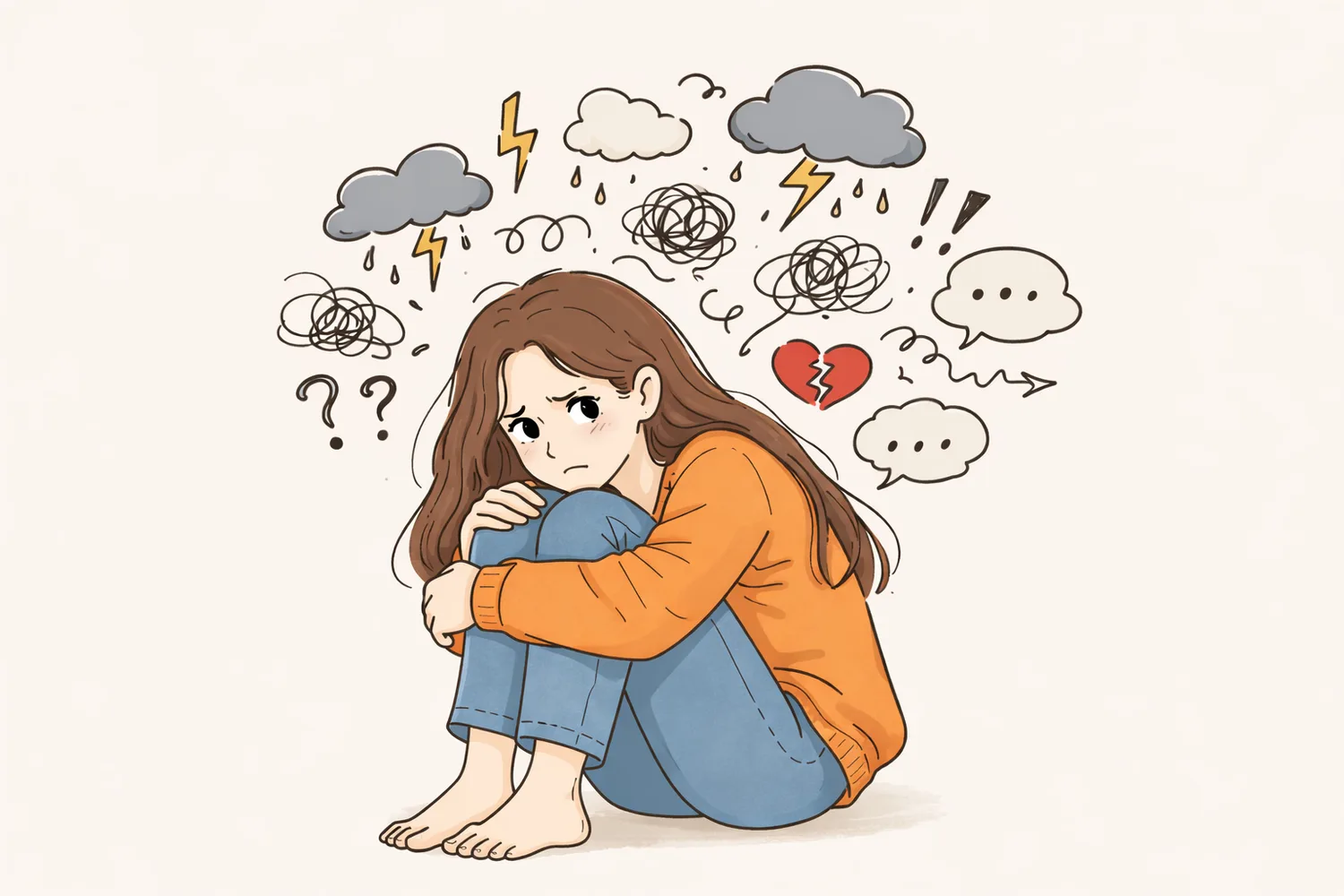
In my private practice, I work with individuals who are living with many different forms of anxiety. Some describe feeling constantly on edge. Others experience sudden waves of panic, persistent worry, or an ongoing sense that something is wrong even when life appears stable on the surface.
Anxiety can be exhausting, confusing, and isolating. It can also be deeply personal, shaped by life experiences, temperament, and current stressors. While anxiety is a natural response of the nervous system, it can become overwhelming when the body remains in a prolonged state of alert.
The good news is that anxiety is highly treatable. With understanding, compassionate support, and effective therapeutic approaches, many people experience meaningful relief and lasting change.
This blog post is intended to help you better understand anxiety, recognise common symptoms, and explore evidence-based treatment options available in therapy.
Understanding anxiety
What Is Anxiety?
Anxiety is the body’s built-in alarm system. When the brain perceives a threat—whether external (such as a difficult situation) or internal (such as a worrying thought)—it sends signals that activate the nervous system. This is often described as the fight-or-flight response, and it is designed to protect us. The body may release stress hormones that increase alertness and energy so we can respond quickly.
In short-term situations, anxiety can be useful. It can help you prepare, concentrate, and take action. Many people experience this as “nerves” before an interview or an important event. Anxiety becomes more difficult when this alarm system is triggered too often, too intensely, or without a clear reason—leaving you feeling on edge, overwhelmed, or unable to switch off.
Anxiety can show up in the mind and the body at the same time. You might notice a stream of “what if” thoughts, overthinking, or a strong need for reassurance. Physically, you may experience symptoms such as a racing heart, shallow breathing, tightness in the chest, nausea, restlessness, or difficulty sleeping. These sensations can feel frightening, but they are common signs of a nervous system in a heightened state of alert.
For some people, anxiety is linked to a specific situation or fear. For others, it feels more general—like a constant background worry. When anxiety keeps showing up, it’s understandable to try to manage it in whatever way brings relief. Often, people cope by avoiding situations, seeking reassurance, or trying to control every detail to prevent anxiety from rising. While these strategies can bring short-term relief, they can also reinforce anxiety over time by signalling to your mind that the situation may be dangerous.
From a therapeutic perspective, anxiety is not a sign that something is wrong with you. It is often a sign that your system has been under pressure, and that your mind and body have learned to stay on high alert. In therapy, the aim is to understand your anxiety with compassion, identify patterns that maintain it, and develop practical strategies that help your nervous system feel safer and more settled—so that anxiety no longer has to control your day-to-day life.
Understanding anxiety
Types of Anxiety
Anxiety can present in several different forms. In therapy, the aim is not to “fit you into a label,” but to understand the pattern of your anxiety so we can choose the most helpful approach and tools.
Generalized Anxiety Disorder (GAD)
Persistent and excessive worry about everyday concerns—often accompanied by mental fatigue, difficulty switching off, and a sense of always needing to stay on top of things.
Panic Disorder
Recurrent panic attacks involving sudden surges of intense fear and physical sensations such as racing heart, shortness of breath, dizziness, or chest tightness. Many people begin to fear the panic itself, which can lead to avoidance.
If panic attacks are a regular part of your anxiety, you may find my article on Understanding Panic Attacks: How to Manage Them and What Helps Long Term helpful for learning what panic attacks feel like, why they happen, and what can support longer-term recovery.
Social Anxiety
Fear of being judged, criticized, or rejected in social or situations. This can lead to self-consciousness, over-preparing, or avoiding certain situations altogether.
Phobias
Strong fear of particular objects or situations (such as flying, driving, needles, or heights). People often know the fear feels “irrational,” yet the body responds as if the danger is immediate.
Obsessive-Compulsive Disorder (OCD)
Intrusive thoughts, images, or urges that create distress, alongside compulsions (behaviours or mental rituals) intended to reduce anxiety. Relief is usually short-lived, which can keep the cycle going.
Health Anxiety
Ongoing worry about having or developing a serious illness. This may involve body-checking, repeated reassurance-seeking, or difficulty trusting medical reassurance.
Agoraphobia
Fear of situations where escaping might feel difficult or where help may not be available if anxiety rises—such as crowded places, public transport, or being far from home. Avoidance can gradually narrow daily life.
Separation Anxiety
Intense anxiety about being away from an attachment figure. While often associated with childhood, it can also affect adults—particularly during times of change, stress, or loss.
Each type reflects the nervous system’s attempt to protect you, even if the strategy has become unhelpful over time.
Why it happens
Common Causes of Anxiety
Anxiety typically develops through a combination of factors rather than one single cause.
Biological Factors
- Family history of anxiety
- Brain chemistry differences
- Sensitivity of the nervous system
Psychological Factors
- Early life experiences
- Chronic stress
- High self-expectations or perfectionism
- Patterns of self-criticism
Environmental Factors
- Work or academic pressure
- Relationship difficulties
- Financial strain
- Major life transitions
For some people, anxiety becomes particularly noticeable in performance-based situations, such as meetings, exams, presentations, interviews, or academic pressure. If this applies to you, my article on Performance Anxiety at Work or School: Why It Happens and How to Manage It may be useful.
In therapy, these influences are explored collaboratively and at your pace.
What to notice
Symptoms of Anxiety
Anxiety can affect the body, emotions, and behaviour. Some people experience mainly physical symptoms, while others notice anxiety more in their thoughts or actions.
Symptoms vary from person to person, and the same person can experience anxiety differently at different times. Some of these symptoms can also occur during periods of stress, which can make it difficult to tell the difference between the two. If you’re unsure which you may be experiencing, you may find it helpful to read my article on Stress vs Anxiety: What’s the Difference?
Physical Symptoms
- Rapid heartbeat
- Shallow breathing
- Muscle tension
- Fatigue
- Digestive discomfort
- Headaches
Emotional Symptoms
- Excessive worry
- Sense of dread
- Irritability
- Feeling on edge
Behavioural Symptoms
- Avoiding situations
- Over checking or seeking reassurance
- Difficulty relaxing
- Trouble sleeping
If anxiety tends to become louder in the evening or affects your ability to sleep, my article on Why Anxiety Feels Worse at Night explores why this happens and what may help.
While many people associate anxiety with visible distress, it doesn’t always present in obvious ways. Some individuals experience a more hidden form known as high-functioning anxiety, where they may appear calm, capable, and successful on the outside while internally dealing with constant worry, perfectionism, and overthinking. If this sounds familiar, you may find it helpful to read my article on What Is High-Functioning Anxiety? Signs and Why It Often Goes Unnoticed.
Understanding anxiety
How Anxiety Is Diagnosed
Many people wonder whether they need a formal diagnosis before seeking help for anxiety. The short answer is no. If anxiety is interfering with your daily life, relationships, sleep, or sense of wellbeing, that alone is reason enough to reach out for support.
The idea of diagnosis can be helpful for some, as it offers a shared language to describe a pattern of experiences. However, anxiety does not always fit neatly into one category, and many people notice features of more than one type of anxiety. What matters most is understanding how anxiety shows up for you and how it affects your life.
If you would like to pursue a formal diagnosis, this is typically done through a medical doctor or psychiatrist. Some people find having a diagnosis helpful, while others do not—and both are completely valid.
Whether or not you ever receive a formal diagnosis, therapy focuses on helping you understand your anxiety, reduce its intensity, and develop practical strategies for coping more effectively. The goal is not to label you, but to support you in feeling steadier, more confident, and more in control of your life.
Practical support
Treatment Options for Anxiety
In my practice, I take an individualized and collaborative approach to treatment. Most clients benefit from a combination of strategies tailored to their goals, symptoms, and preferences.
There are several effective approaches for treating anxiety. The options below provide an overview of the therapeutic methods I use in my practice, along with information about medication.
Cognitive Behavioral Therapy (CBT)
CBT helps identify and change unhelpful thought patterns and behaviours that keep anxiety going. You may learn to:
- Recognize anxious predictions and assumptions
- Test and reframe unhelpful thinking
- Reduce avoidance and unhelpful coping patterns
- Build practical tools for day-to-day situations
CBT is structured, skills-based, and often effective for reducing symptoms and improving confidence.
Acceptance and Commitment Therapy (ACT)
ACT supports you in responding differently to anxious thoughts and feelings, rather than getting caught in a struggle with them. Therapy may focus on:
- Creating space from anxious thoughts
- Learning to tolerate discomfort more effectively
- Clarifying values and what matters to you
- Taking steps toward a meaningful life, even when anxiety shows up
ACT can be especially helpful when anxiety has led to feeling stuck or restricted.
Exposure Therapy
Exposure therapy is particularly effective for phobias, panic, and social anxiety. It involves gradually and safely approaching feared situations so your system can learn that anxiety is tolerable and temporary. Over time, this can:
- Reduce fear responses
- Decrease avoidance
- Build a sense of mastery and trust in your ability to cope
Exposure is always planned collaboratively and paced carefully.
Integrative Therapy
Integrative therapy draws from multiple approaches—such as CBT, ACT, mindfulness-based strategies, and supportive therapy—so that the work fits you rather than forcing you into a single model. This can be helpful when:
- Anxiety is influenced by several life areas at once
- You want both practical tools and deeper understanding
- You benefit from a flexible, tailored approach
Mindfulness Strategies
Clients are often taught practical skills to help calm the nervous system, including:
- Deep breathing exercises
- Progressive muscle relaxation
- Mindfulness practices
- Gentle movement
These tools support emotional regulation and stress management.
Medication (When Appropriate)
Some individuals choose to include medication as part of treatment, particularly when symptoms feel intense or persistent. Medication can reduce symptom intensity and make it easier to engage in therapy and daily life. Any medication decisions are made with a GP or psychiatrist, and therapy can work alongside this support.
Practical support
Lifestyle Changes & Coping Strategies
Small, consistent habits can significantly support anxiety management:
- Prioritize sleep and downtime
- Eat regular, balanced meals
- Limit caffeine and alcohol
- Move your body regularly (even gentle movement helps)
- Build routine and structure where possible
- Make space for rest and connection
These changes are not about perfection—they are about supporting your system steadily.
Support and next steps
When to Seek Professional Help
You may benefit from professional support if:
- Anxiety interferes with daily life, relationships, or work
- Symptoms persist over time
- Panic attacks occur
- You feel overwhelmed, stuck, or unsure how to move forward
You do not have to manage anxiety alone.
Final thoughts
Conclusion
Anxiety is a common human experience, but it does not have to control your life. With the right support, insight, and therapeutic tools, many people learn to feel steadier, more confident, and more in control.
Need support?
You do not have to manage anxiety alone.
If anxiety is affecting your daily life, relationships, work or ability to feel at ease, it may help to explore your experience with support.
Therapy can help you understand your anxiety, recognise the patterns that maintain it and develop strategies that fit your individual needs.